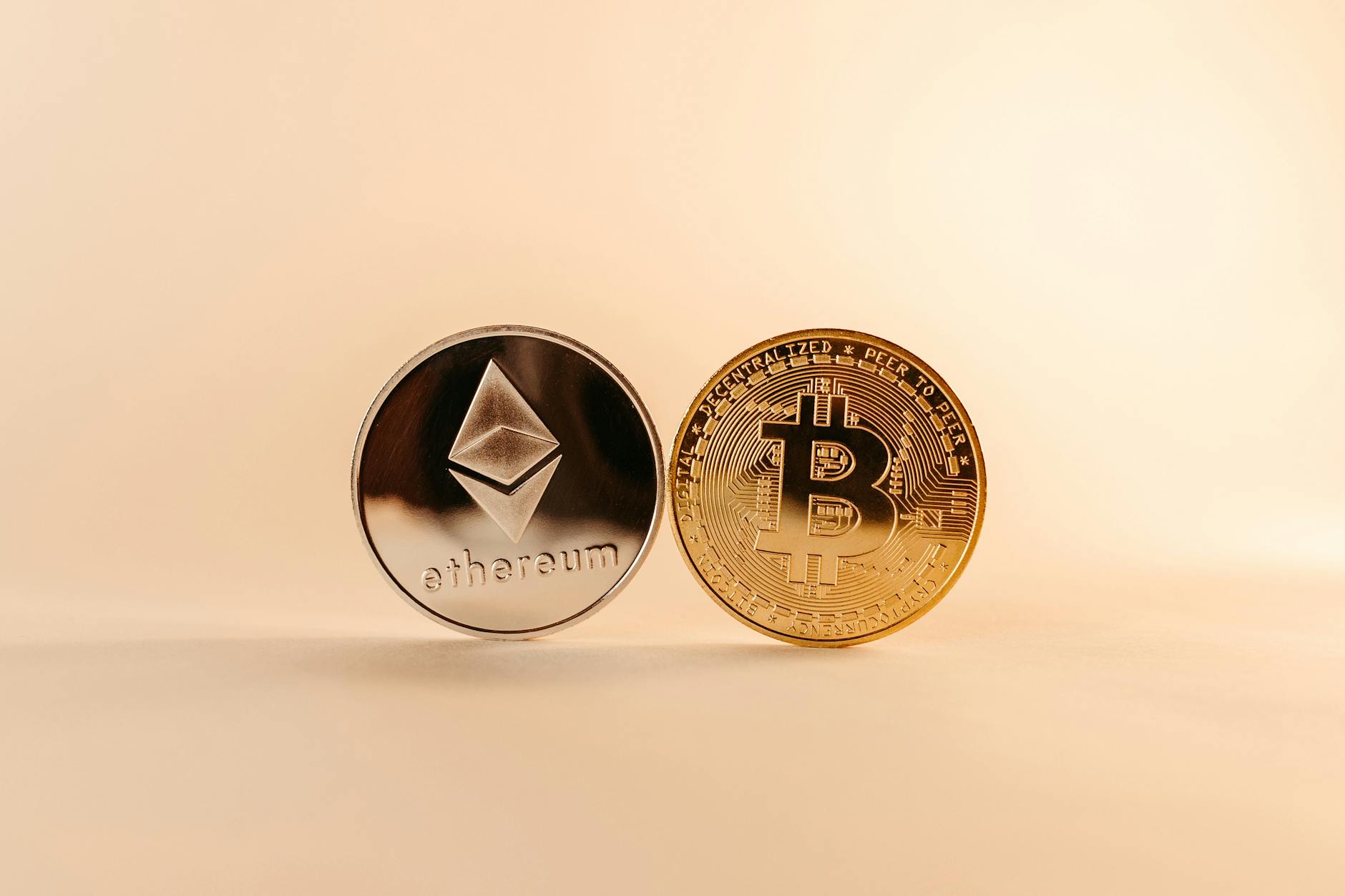
Understanding the Moat: What Makes a Decentralized Platform Secure (or Vulnerable)?
The concept of a 'moat' in decentralized platforms refers to the mechanisms that protect them from attack and ensure their integrity. Unlike traditional centralized systems that rely on a single entity for security, decentralized platforms leverage distributed consensus, cryptography, and economic incentives. A truly secure decentralized platform possesses a robust moat built upon immutable ledgers, where once a transaction is recorded, it cannot be altered. Furthermore, a large and diverse network of independent validators or miners makes it economically unfeasible and computationally prohibitive for any single entity to gain control and manipulate the system.
The strength of this moat is directly proportional to the difficulty of compromising the underlying consensus mechanism.
Conversely, a decentralized platform becomes vulnerable when its moat is weak or poorly designed. Common vulnerabilities include
- Insufficient decentralization: If a small group controls a significant portion of the network's validating power, they could collude to censor transactions or alter the ledger.
- Bugs in smart contracts: Errors in the code governing the platform's operations can be exploited by attackers, leading to loss of funds or system disruption.
- Economic vulnerabilities: Flaws in the tokenomics or incentive structures can make the network susceptible to sybil attacks or other forms of manipulation.
Decentralized betting offers a revolutionary approach to wagering, leveraging blockchain technology to create transparent and trustless platforms. These systems eliminate the need for intermediaries, allowing users to place bets directly with each other through smart contracts, ensuring fairness and security. For more information on decentralized betting, explore the potential for enhanced privacy and reduced fees compared to traditional bookmakers.
Your Digital Armor: Practical Security Habits & Common Questions for Decentralized Platform Users
Navigating decentralized platforms, while offering unparalleled freedom and innovation, also demands a heightened awareness of security. Think of your digital assets as precious cargo, and your security habits as the unbreachable vault protecting them. This isn't about being paranoid, but about being pragmatic. Strong, unique passwords for every platform are non-negotiable, ideally generated and stored by a reputable password manager. Beyond that, consider implementing two-factor authentication (2FA) with a hardware key or authenticator app rather than SMS, which can be vulnerable to SIM-swapping attacks. Regularly backing up your recovery phrases and private keys, and storing them offline in multiple secure locations, is paramount. Remember, in the decentralized world, you are your own bank – and your own security guard.
Even with the best practices, questions inevitably arise. A common one is,
“What if I lose my recovery phrase?”Unfortunately, without it, access to your funds is likely lost forever. This underscores the critical importance of secure, redundant backups. Another frequent query revolves around recognizing and avoiding phishing scams. Always double-check URLs, scrutinize sender addresses, and be wary of unsolicited messages or offers that seem too good to be true. Remember, legitimate projects will rarely ask for your private keys or recovery phrase directly. Finally, understand the difference between a hot wallet (connected to the internet) and a cold wallet (offline storage) and use them appropriately for different asset values. Staying informed about new threats and best practices is an ongoing commitment in this rapidly evolving digital landscape.